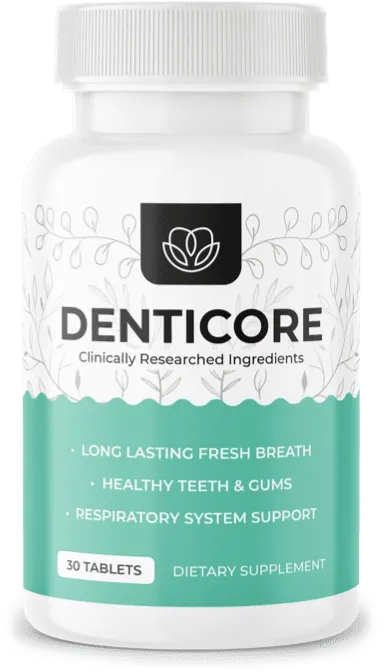
The words “clinically researched ingredients” can be accurate in a narrow sense even when a finished commercial product has not undergone a controlled clinical trial. The distinction matters.
Three levels of evidence
Biological role
A nutrient participates in normal tissue function. This explains plausibility, not the outcome of supplementation.
Individual ingredient study
Researchers test one ingredient at a particular amount, duration and population.
Finished-product trial
Researchers test the exact combined commercial formulation with appropriate controls and outcome measures.
Independent replication
Other investigators obtain consistent results without the same conflicts or methodological weaknesses.
Apply the hierarchy to DentiCore
The label shows 20 mg calcium, 50 mcg iodine, 1.7 mg copper, 50 mcg chromium and a 120 mg blend. Government fact sheets explain mineral biology and safety. Those references do not evaluate DentiCore itself; nor do studies involving substantially different ingredient amounts. NIH calcium↗
The key missing elements for a strong causal claim are reproducible, finished-product outcomes and sufficiently transparent disclosure to compare the botanical portion to relevant research.
Questions to ask when a website cites a study
- Was the finished brand product or only an isolated ingredient tested?
- Were people studied, or only cells and animals?
- Were the dosage and duration comparable?
- Were dental outcomes measured objectively?
- How many people participated, and what were the controls?
- Were unfavorable outcomes and conflicts reported?
A responsible interpretation
Promising mechanisms and familiar ingredients can justify curiosity or research. They cannot justify promises that a supplement will reverse cavities, eliminate infections or replace proven oral-care measures. ADA oral-care guidance↗
Sources and reference notes
Government/professional sources explain general nutrition and oral-care evidence; they do not endorse DentiCore. The product label documents what the supplied packaging states, not independent efficacy.